Why We’re Sharing This Fraud Awareness Guide
VaultsPay is committed to keeping your prepaid card and digital wallet safe. As part of our obligations under the UAE Central Bank’s Consumer Protection Regulation, and in the spirit of the Central Bank’s own Consumer Education and Awareness mandate, we run an ongoing awareness programme to help our cardholders and wallet users recognise, avoid and report fraud.
This page explains the most common scams targeting prepaid card and e-wallet users today, how VaultsPay protects you, and exactly what to do if you suspect fraud.
Golden rule: VaultsPay will never call, SMS, email or WhatsApp you to ask for your card PIN, CVV, full card number, one-time password (OTP) or account password. Anyone who does is not us—hang up, do not reply and do not click.
Common Types of Prepaid Card and Digital Wallet Fraud
What is phishing, and how can you identify a fake email or website?
Fraudsters send emails or links that look like they are from VaultsPay, a bank or a merchant. They may ask you to “verify your account,” “reactivate your card” or “claim a reward” by entering your card or login details on a fake page.
Red flags:
Urgent or threatening language
Misspelled sender addresses
Links that do not match vaultspay.com or the organisation’s official domain
Requests to “act within 24 hours”
What is smishing?
Smishing is similar to phishing but is delivered by SMS or WhatsApp. These messages often claim that a transaction was declined, a top-up failed or your card will be blocked, and include a link asking you to “resolve” the issue.
What is vishing, and why should you never share an OTP by phone?
In a vishing scam, a caller claims to be from VaultsPay, your bank or the Central Bank. The caller may say your card has been compromised and ask you to read out an OTP that has just arrived “to verify your identity” or “to cancel the fraudulent transaction.”
Reading an OTP to anyone—including someone claiming to be from VaultsPay—gives them the ability to complete a transaction on your account.
How can you spot card skimming and ATM tampering?
Devices fitted over a card slot or PIN pad can copy your card details and record your PIN at ATMs or unattended kiosks.
Red flags:
A loose, wobbly or oddly coloured card slot
A PIN pad that looks bulkier than usual
Someone standing unusually close while you enter your PIN
What is SIM-swap fraud?
In SIM-swap fraud, a fraudster convinces your mobile operator to reissue your SIM card. They can then use it to intercept OTPs sent to your registered number and take over your wallet or card account.
Red flags:
Your phone suddenly loses its network signal for no apparent reason
You receive an SMS from your mobile operator confirming a SIM change you did not request
What is card-not-present (CNP) or e-commerce fraud?
Card-not-present fraud occurs when stolen card details are used to make online purchases without the physical card. VaultsPay cards are protected by 3D Secure (OTP verification) for online purchases. Never share that OTP with anyone, including a “seller” who says they need it to “confirm the sale” or “release a refund.”
How do fake job offers, prize draws and investment scams work?
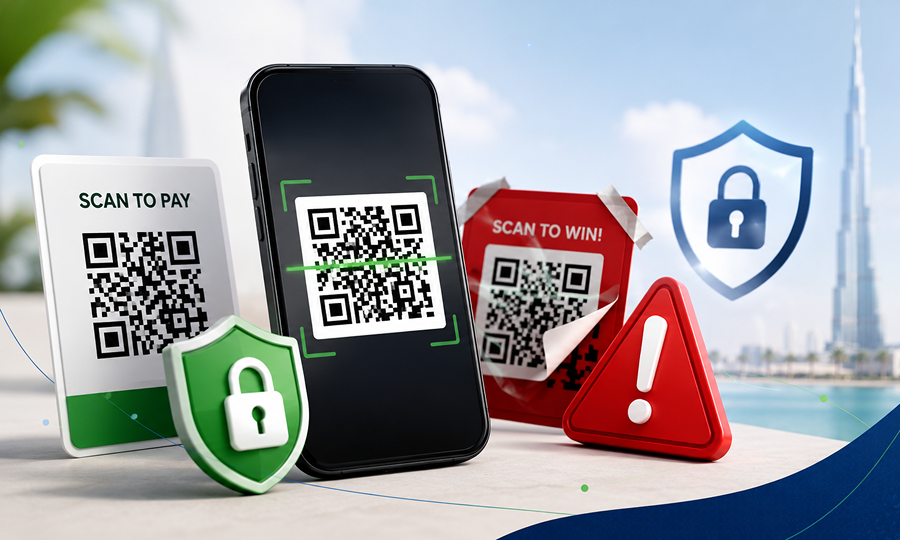
Messages promising easy money, a lottery win or high-return investments may ask victims to “activate” their prepaid card or wallet by loading funds first, or to share card or OTP details to “receive” a payout. There is no legitimate reason to pay money or share OTPs to receive a prize or salary.
What is social engineering and impersonation fraud?
Scammers may pose as VaultsPay support staff, delivery agents, government officials or even friends or family members in distress through a hacked WhatsApp account. They use urgency and pressure to persuade you to make a transfer or reveal sensitive details.
What are unauthorised top-ups and money-mule activity?
Being asked to receive funds into your wallet and immediately forward them elsewhere for a “commission” is a common money-mule tactic used to launder the proceeds of fraud. It can expose you to legal liability even if you did not intend to break the law.
How VaultsPay Protects Your Card and Digital Wallet
We never ask for your PIN, CVV, full card number, OTP or password—by phone, SMS, email, WhatsApp or in person. Ever.
Real-time transaction monitoring flags unusual spending patterns and can automatically hold suspicious transactions for review.
3D Secure (OTP) authentication protects online and card-not-present transactions.
Instant card controls in the VaultsPay app let you freeze or unfreeze your card, set spending limits, and turn online or international transactions on or off in seconds.
Instant transaction alerts notify you by SMS or push notification every time your card or wallet is used, so you can identify anything you did not authorise straight away.
Data-protection controls, including encryption of card and personal data, are used in line with Central Bank requirements for safeguarding consumer data and assets.
Simple Steps to Protect Yourself From Payment Fraud
Do's:
Keep your PIN, OTP, CVV and login password private—always, with no exceptions.
Check the VaultsPay app or your statement regularly and switch on transaction alerts.
Use official VaultsPay channels only: the VaultsPay app, vaultspay.com and our published customer-care number.
Set a spending limit and freeze your card in the app the moment you suspect something is wrong.
Verify independently. If you receive a call or message claiming to be from VaultsPay, hang up and call us back using the number on the back of your card or our official website—not a number provided in the call or message.
Cover the keypad when entering your PIN at an ATM or POS terminal.
Keep your phone’s SIM and number secure. Contact your mobile operator immediately if you lose signal unexpectedly.
Don'ts:
Do not share your PIN, CVV, OTP or password with anyone—including someone who says they are from VaultsPay, your bank or the police.
Do not click links in unsolicited SMS, WhatsApp or email messages asking you to “verify,” “reactivate” or “unlock” your card.
Do not send money or share account details to “activate” a prize, refund or job offer.
Do not let anyone remotely access your phone or install a screen-sharing app while you are logged in to the VaultsPay app.
Do not forward or receive money on behalf of people you do not know, even for a fee.
What Should You Do If You Suspect Fraud?
Act immediately:
Freeze your card or wallet instantly in the VaultsPay app by going to Card Controls > Freeze Card, or message our 24/7 customer-care line: [WhatsApp: +971 600 582 858].
Report the incident to VaultsPay Customer Care at [WhatsApp: +971 600 582 858] or [https://www.vaultspay.com/legal/complaints]. Provide as much detail as possible, including the date, time, amount and any messages or phone numbers involved.
Change your VaultsPay app password and PIN if you believe they may have been compromised.
Report the incident to the police, especially for scams involving impersonation, threats or loss of funds. In the UAE, you can report cybercrime through Dubai Police’s eCrime platform or the eCrime service of your local police force, or call 999 in Dubai or 8005005 in Abu Dhabi.
Report phishing sites or messages to the UAE Telecommunications and Digital Government Regulatory Authority (TDRA) at tdra.gov.ae. The original Compliance draft also advises forwarding smishing SMS messages to 7726.
VaultsPay will investigate promptly and keep you updated on the outcome, in line with our complaint-handling and fraud-resolution commitments under the Central Bank’s Consumer Protection Regulation.
VaultsPay 24/7 Fraud & Lost Card Hotline: [WhatsApp: +971 600 582858]
Report Fraud Online: [https://www.vaultspay.com/legal/complaints]
Your rights under the Consumer Protection Regulation
As a Central Bank-licensed Entity, VaultsPay is required to:
Maintain robust systems to monitor, prevent, and respond to fraud, proportionate to the risks of our products.
Run regular consumer education and awareness activities, including this page, to help you recognise and avoid fraud.
Investigate reported unauthorised transactions and notify you of the outcome within the timelines set by the Central Bank.
Notify you promptly if we become aware of a data breach or unauthorised access that may pose a risk to you.
Handle your complaints fairly, transparently, and free of charge through our [Complaints & Feedback] channel.
If you're not satisfied with how we've handled a fraud report or complaint, you have the right to escalate it to the Central Bank of the UAE's Sanadak after exhausting VaultsPay's internal complaints process.
This page is reviewed and updated regularly as part of VaultsPay's Consumer Education and Awareness programme. Last updated: [September 2026].